.svg)
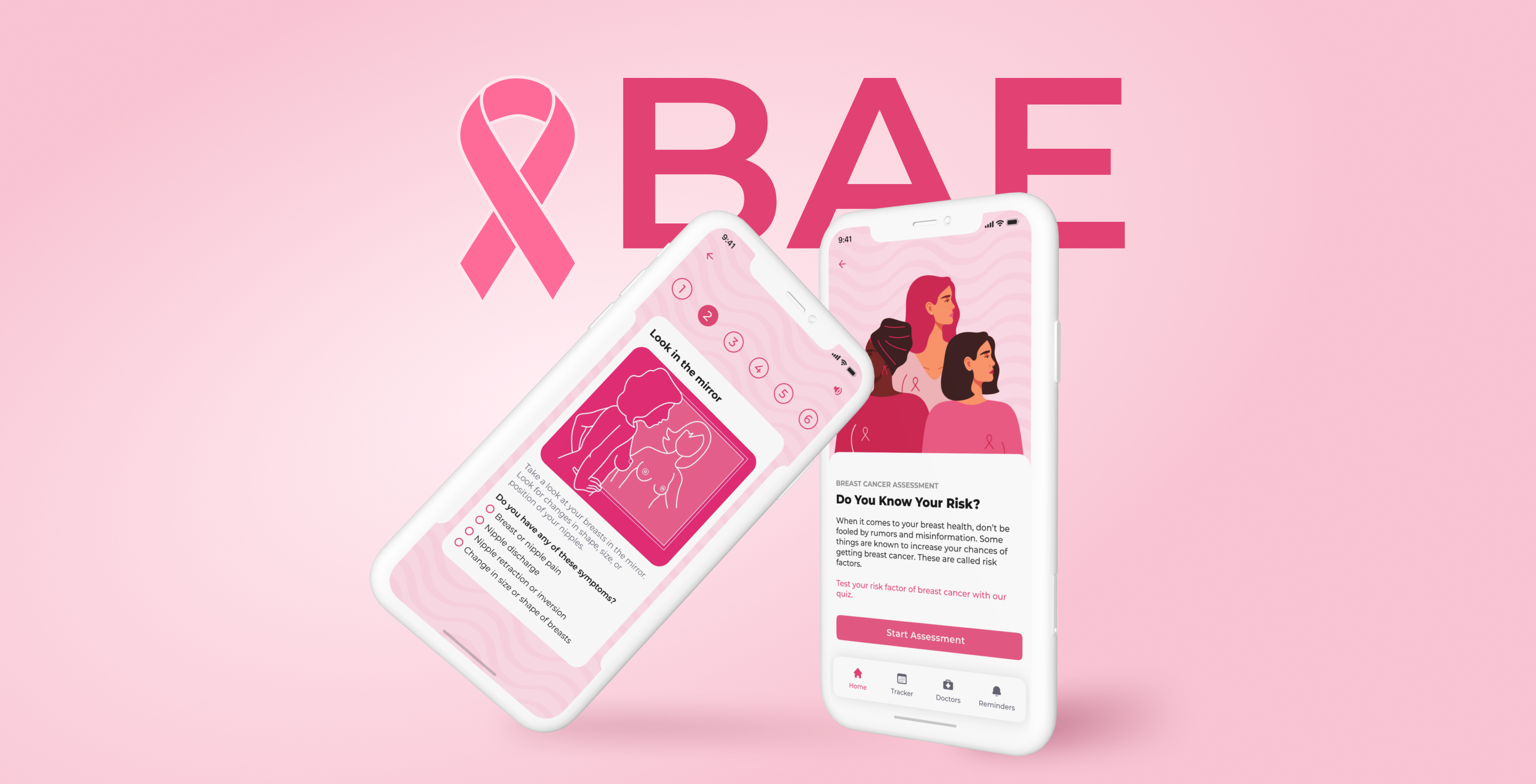
Motivating breast cancer self-examination for women
Brief
India’s Breast Cancer care ecosystem is broken: rising cases with poor survival rates.
As a part of Together 2023-a Venture Competition organized by Schulich Startups, Schulich School of Business, in collaboration with Startup India - Government of India, we began with our venture: B.A.E- Breast Cancer Awareness and Examine; a Technology Led Purpose Driven Oncology Platform aims to solve the rising issue of breast cancer detection and awareness. Breast cancer is considered to be one of the most common cancers among women in India.
Tools
Figma
My contributions
Market Research, Product Design, Storytelling, Business Strategy, Ideation
Timeline
Ongoing
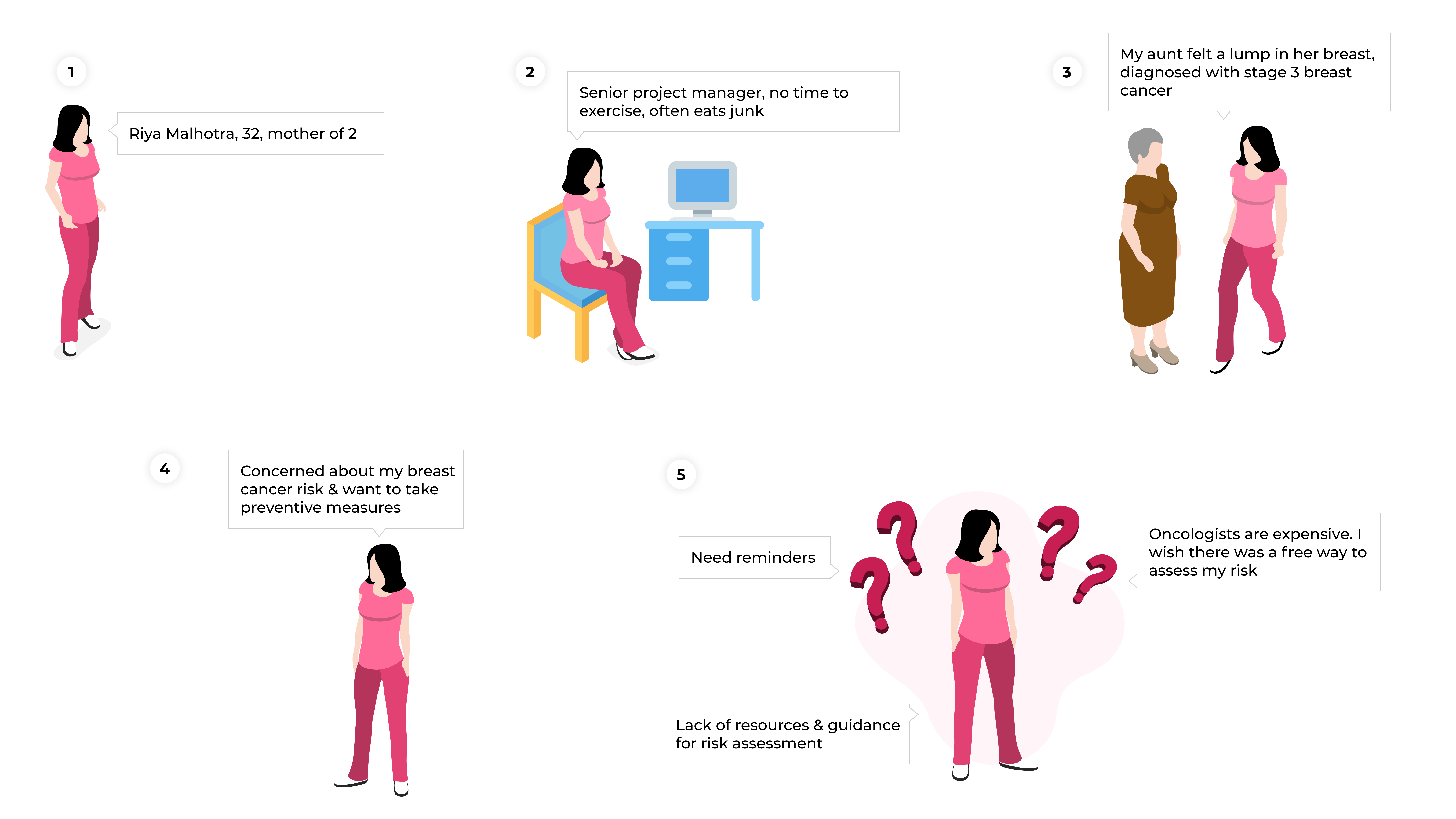
Let me begin with a story.
Meet Riya...
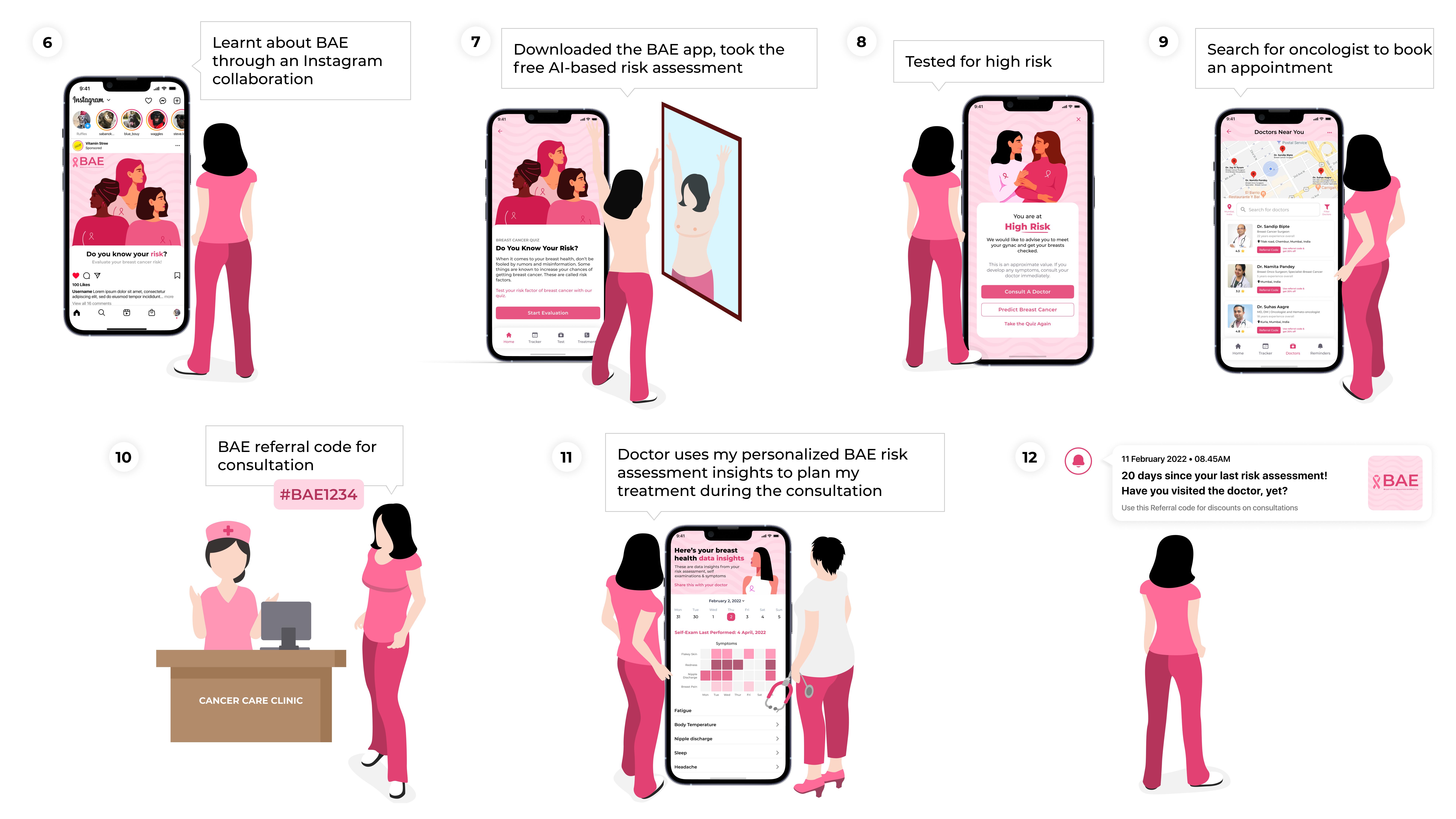
Hold up-How did we get here? Let's revisit the process...
The problem we are trying to solve
The problem is the high mortality rate among women in India due to breast cancer, primarily attributed to late detection. More than 87,000 women died from breast cancer in India in 2020 due to late detection. According to statistics, 9 out of 10 women survive when treated in the early stages.
Why is this a problem?
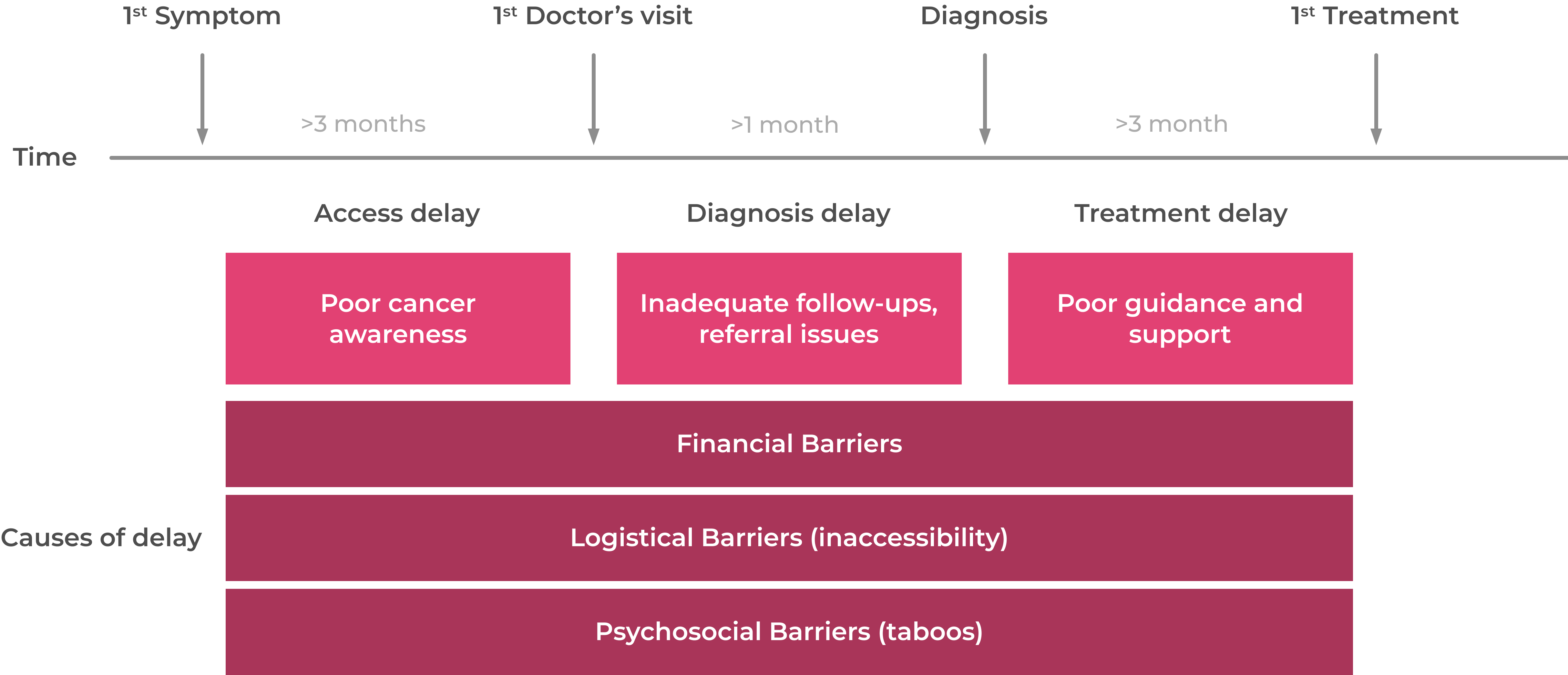
In India, women shy away from discussing a lump, discharge, or pain in their breasts with family, leading to late detection of breast cancer.
Barriers such as poor cancer awareness and low affordability make early diagnosis difficult. Despite mammography being the recommended screening method, many women do not undergo screening due to financial and accessibility barriers.
A 90-day delay in breast cancer detection increases death risk by 26%.
The solution we came up with
B.A.E-Breast Cancer Awareness and Examination is a one-stop application to cater to:
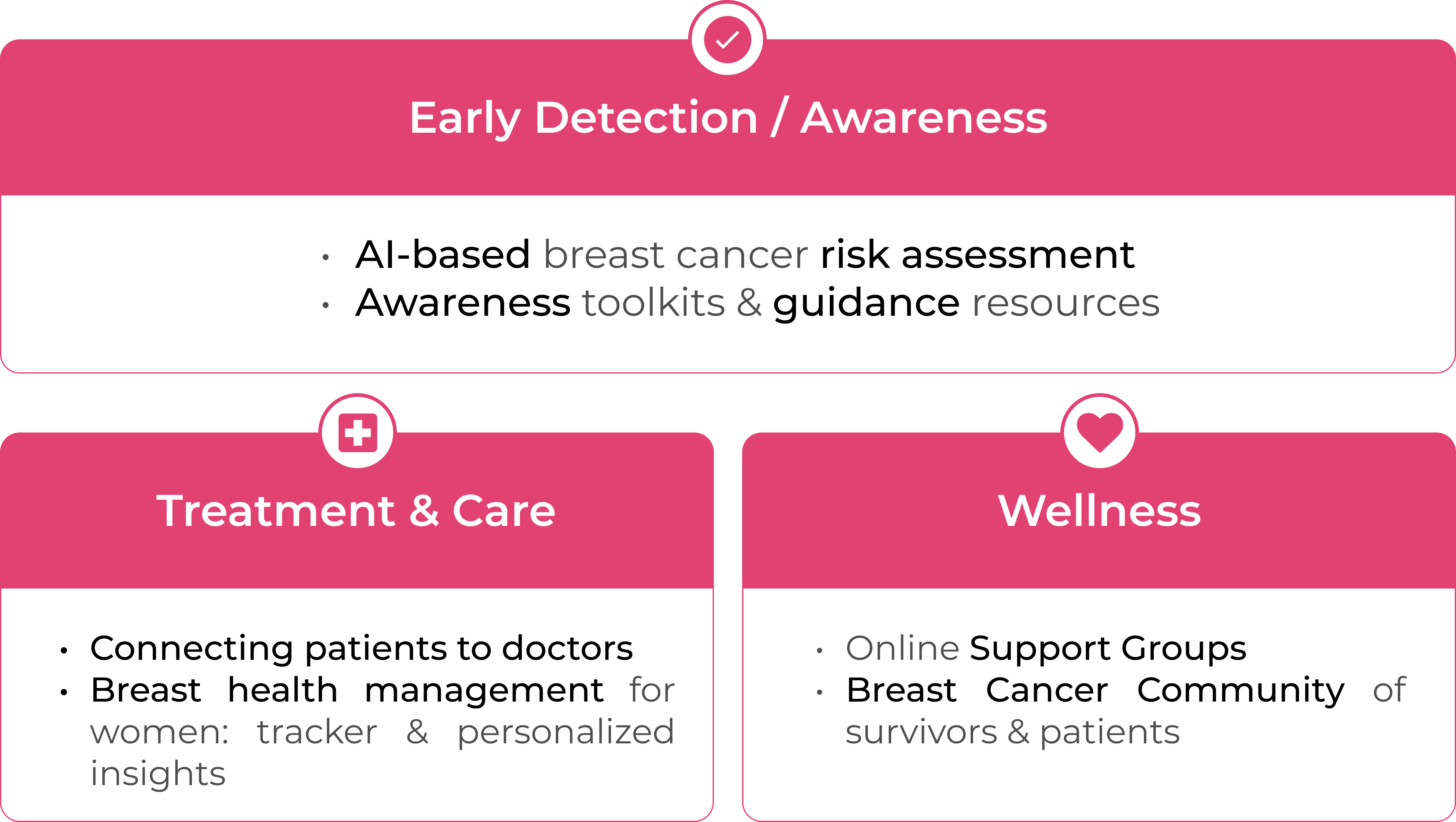
What makes us different?
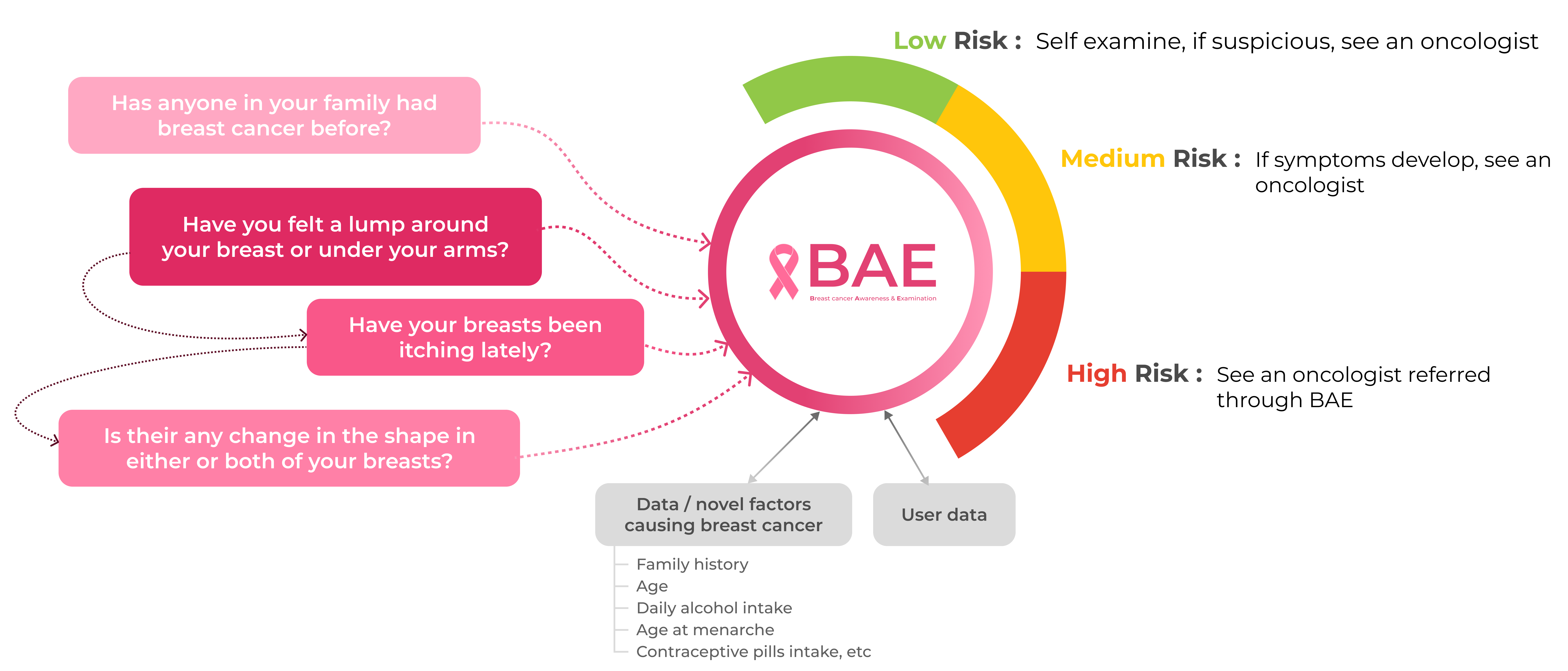
We aim to improve accessibility and affordability in cancer care through a data-driven AI-based risk assessment. The AI-enabled Evaluation determines the patients risk level, based on regulated diagnosis within just 2 minutes telling the patient if they are at High, Medium, or Low risk. Our model considers various breast cancer risk factors such as family history, age, intake of hormonal pills, lifestyle choices, and the users past health data to make a prediction.
Gamifying the self-examination process
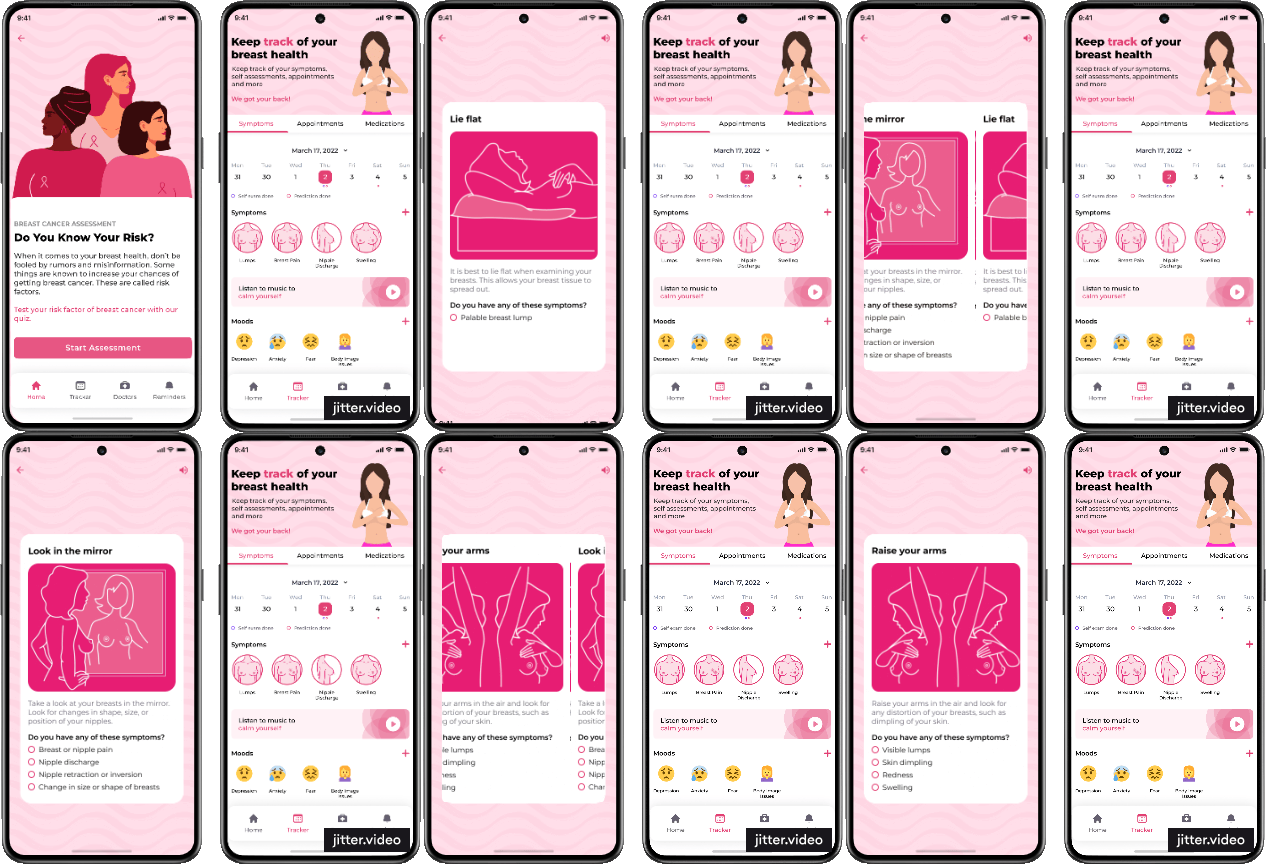
At this point, a crucial realization struck us: we had only won half the battle with the AI tool; the real hurdle was women’s resistance to self-examination, hindering early breast cancer detection. In response, we transcended the technical challenge, focusing on breaking through resistance by tackling issues of taboo, awareness, motivation, and accessibility. We needed women to use the AI tool, and for that, were designed the self-examination process by gamifying it, understanding that this could spur women to embrace regular checks.
Here's what we did beyond design
In our project, we recognized that the development of the AI model and the gamification of self-examination alone would not effectively address the challenge at hand. We shifted our focus towards comprehensive business development strategies, understanding that reaching and engaging women in the breast cancer awareness journey is crucial. The user's path involves the following stages:
Awareness → Consideration → Decision → Service → Loyalty
While gamification enhances service engagement and promotes user loyalty, we acknowledged that it alone is not sufficient to tackle the broader issue. We strategically approached the user journey, realizing the need for a holistic solution.
To address the awareness stage, we implemented various strategies:
1/ Business Model & Revenue Streams
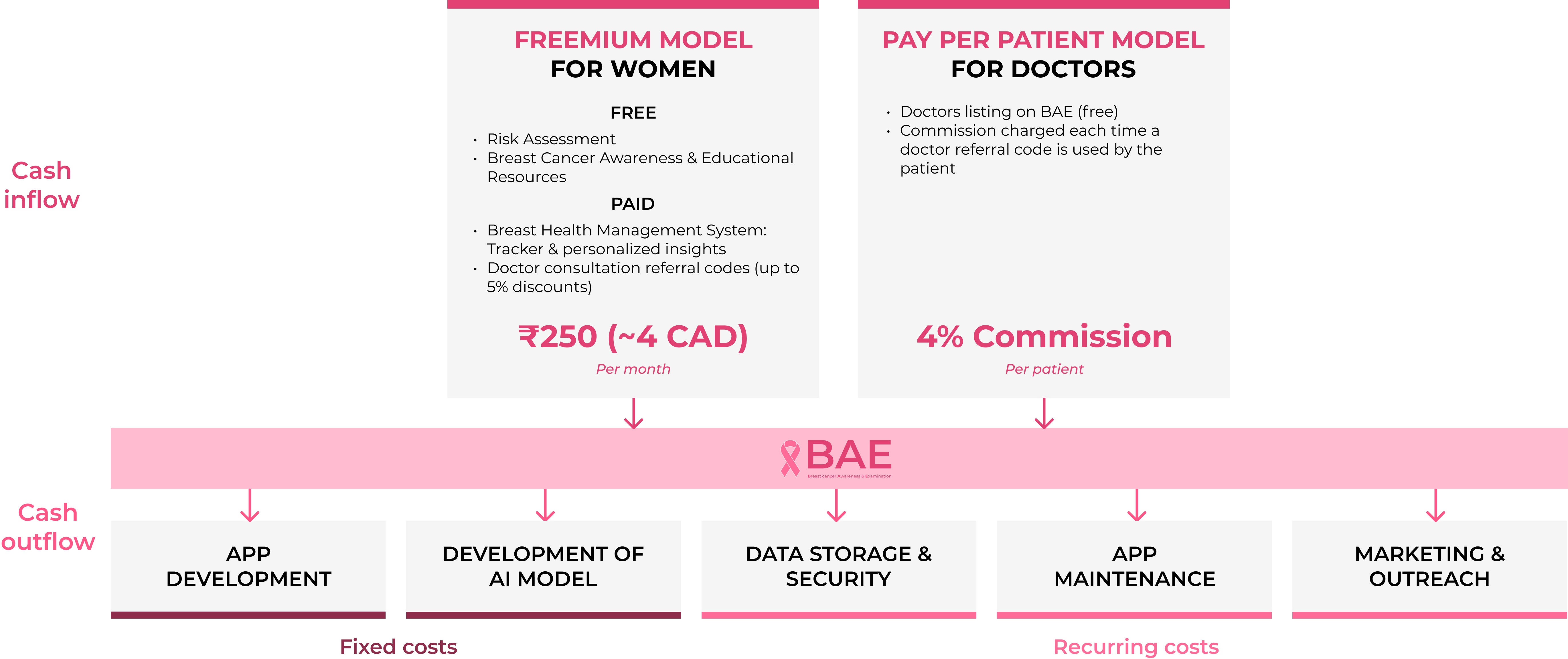
Understanding the revenue streams and creating tangible value for users were essential components. We came up with this business model:
- Freemium Model for women
- Pay-per patient model for doctors
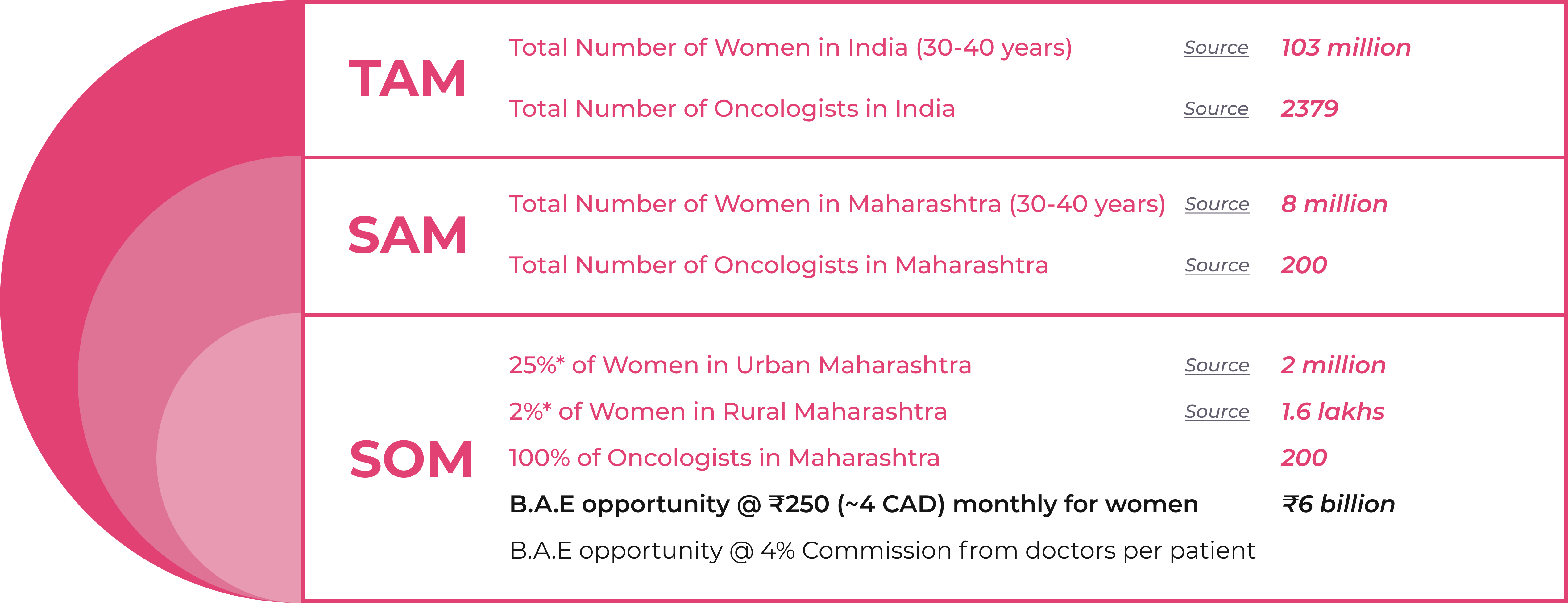
2/ Market Sizing
We conducted a thorough analysis to understand the market size, identifying the target audience and potential reach.
We identified these customers or users as our target:
- Women from the ages of 20-74 years old. Symptoms of breast cancer start showing at the age of 20, and most women are diagnosed with breast cancer between the ages of 50-70 years.
- Breast cancer patients, treatment and rehabilitation
- Breast cancer survivors who wish to share their story
- Providing affordable breast cancer healthcare access and awareness, mainly to the needy masses in tier 2 and tier 3 cities of India
- Teenage girls entering puberty
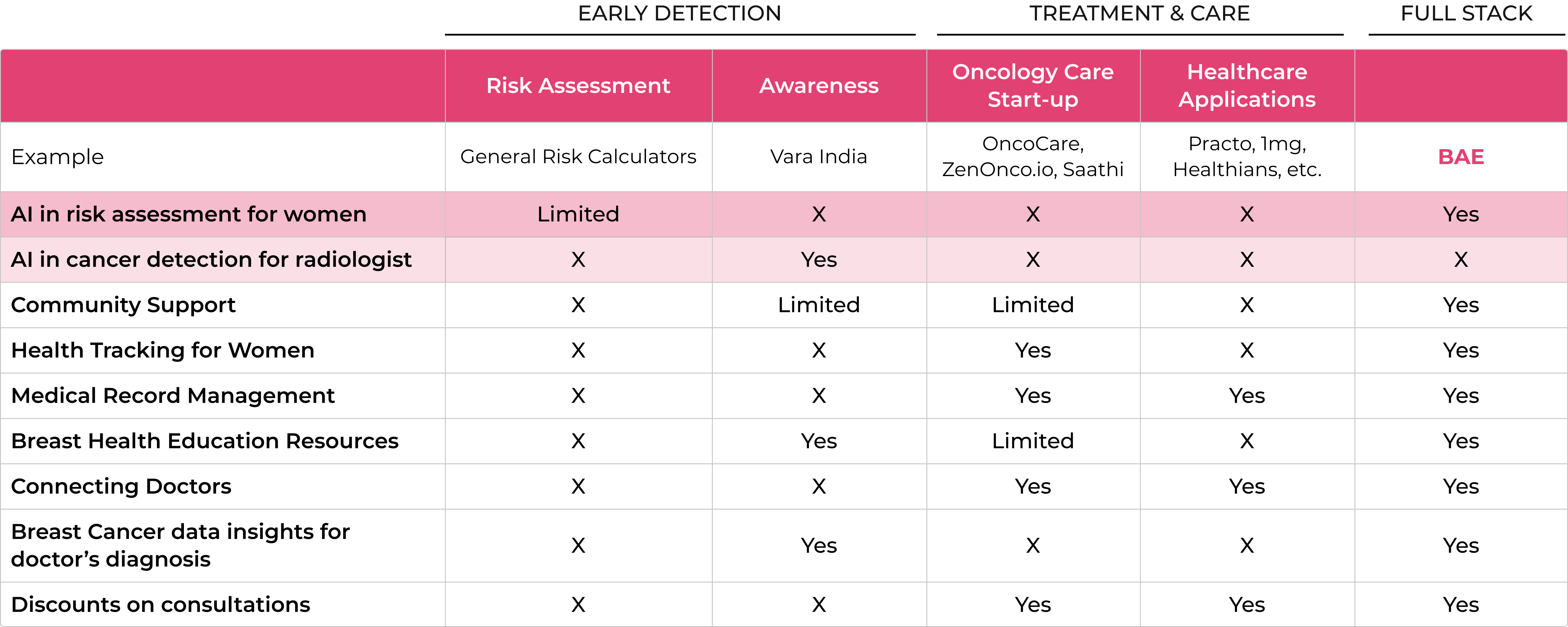
3/ Competitive Audit
We conducted a detailed competitive analysis to identify gaps in existing solutions and differentiate our approach. This allowed us to position our initiative effectively in the market.
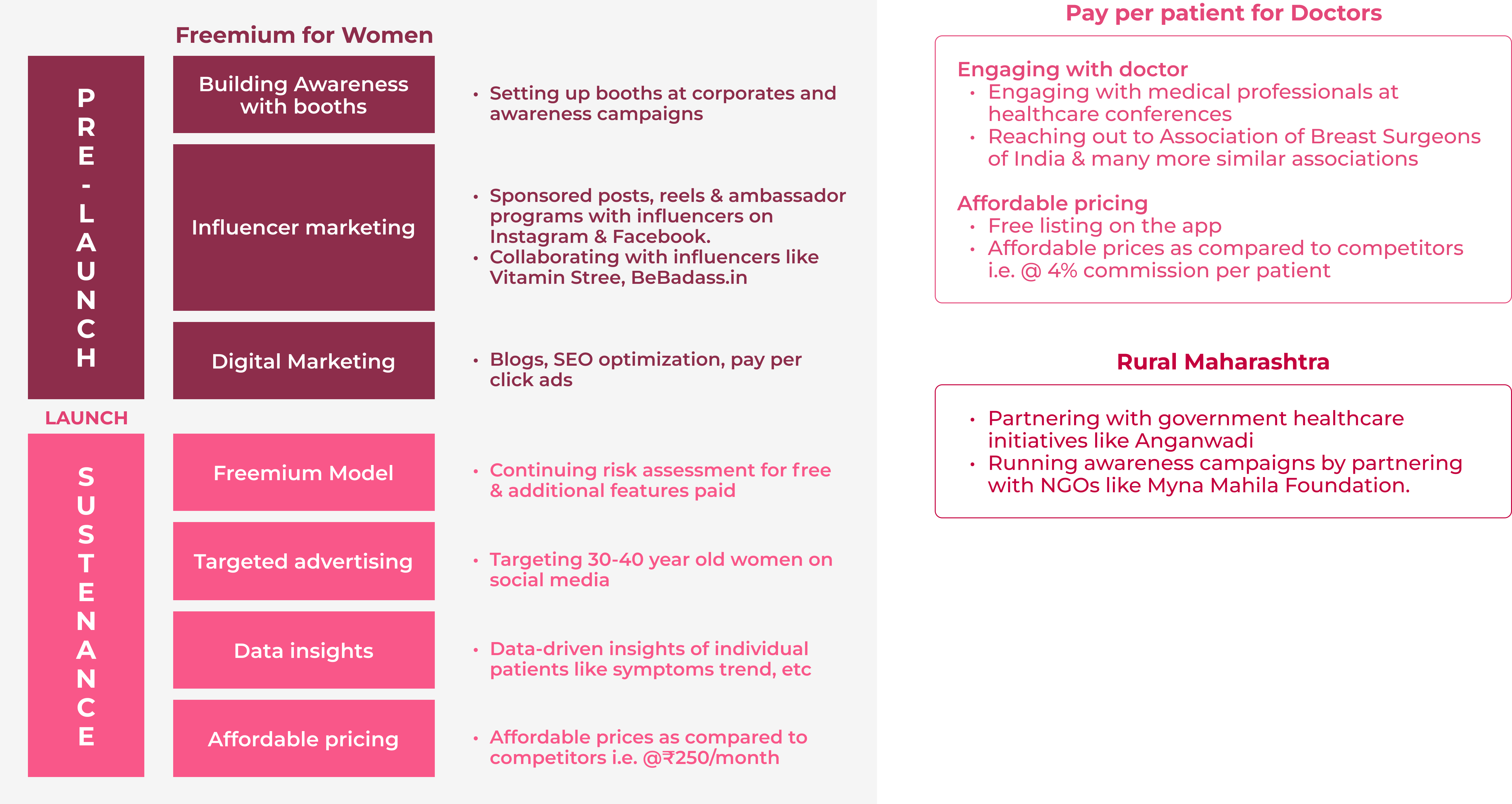
4/ GTM (Go-to-Market) Strategy
We developed a comprehensive Go-to-Market strategy to effectively launch our initiative. This included identifying key channels, messaging, and partnerships to maximize outreach.
Time to retrospect!
This solution directly empowers women to take charge of their breast health. It makes the risk analysis freely available for all women creating a positive social impact. BAE complements the Sustainable Development Goal 3 set by the United Nations ie. Good Health and Well-being. It aligns with the 3 pillars of the Global Breast Cancer Initiative by the World Health Organization (WHO).
Embarking on this project marked a significant milestone for me – a foray into the realm of developing a business perspective. As someone accustomed to the intricacies of design and technology, delving into the strategic intricacies of market sizing, Go-to-Market strategies, revenue streams, and competitive analyses was a unique and enlightening experience.
Inspired by the journey so far, I am hoping to develop on this idea further.